
Why Do We Stop Noticing What Once Delighted Us?
The Appreciation Reset: Regaining What You Never Lost

About fifteen years ago, I heard a comedian tell a very funny story.
He had been on one of the first flights to offer Wi-Fi—high-speed internet, from a seat, in the sky, something no passenger had ever experienced before. Partway through the flight, the connection dropped. The man beside him slammed the armrest and muttered, “This is bullsh**.”
As the comedian observed, the world had somehow come to owe that passenger something he had learned existed only moments earlier.
The deeper joke was about the flight itself. We complain about a twenty-minute delay, then cross the country in five hours, a journey that once took months, without a flicker of wonder. We are sitting in chairs, flying through the sky, and almost nobody is amazed.
That’s the pattern. The miracle becomes an expectation. The expectation becomes an entitlement. And somewhere along the way, we lose our ability to fully experience the things we once hoped for.
It happens with air travel and Wi-Fi, but also with careers, homes, health, relationships, and the people we love most.
This week, I explore why our minds work this way, what it quietly takes from us, and how we can recover more of the joy that familiarity pushes out of view. I call it The Appreciation Reset.
I hope you enjoy this edition. If you do, I’d love for you to subscribe and share it with others who might benefit. Let’s dive in.
🔥 SPARK OF THE WEEK
Leaders must protect every person’s rights to Life, Liberty, and the pursuit of Happiness
Are you creating a place where people can truly thrive?
The Declaration of Independence reminds us that leadership is ultimately about how we treat people. The people around us should not have to surrender their dignity, voice, or opportunity in order to succeed. Great leaders create environments where people are respected, trusted, and able to build lives that matter to them.
👉 Read: “Leadership Lessons Inside The Declaration Of Independence”

The Appreciation Reset: Regaining What You Never Lost
On the first morning in a hotel room overlooking the ocean, a couple opens the curtains before they unpack. They stand at the window, take pictures, and FaceTime their friends to share the view.
By the fourth morning, they are answering email with their backs to the same ocean. The view has not changed, but their experience of it has.
Why do we stop noticing the things that once delighted us?
The pattern appears throughout our lives. The promotion becomes the job, the home becomes a list of things that need fixing, and the person whose presence once meant so much becomes someone we simply expect to be there.
The good remains, but our capacity to appreciate it fades. Let’s explore why this happens, what it quietly takes from us, and how we can reclaim more of the joy already within reach.
How Progress Rewrites Expectation
The mind has an unusual way of handling improvement: it lets us feel the lift, then quietly absorbs the gain into everyday life.
What once registered as better becomes familiar. What becomes familiar becomes expected. And once expectation takes over, the same experience delivers less pleasure while setting a higher standard for whatever comes next.
Several behavioral forces drive that quiet takeover:
Hedonic adaptation softens the emotional lift. Positive changes initially create excitement, relief, or pleasure. As the experience becomes familiar, those feelings weaken even when the underlying improvement remains.
Reference points redefine what feels normal. We stop comparing the faster service with what existed before it and begin comparing it with what we now believe fast service should be. The gain becomes the new baseline.
Attention moves toward what is wrong. The mind is naturally drawn to change, friction, and unmet expectations. What works consistently demands less attention, which makes reliable value increasingly difficult to see.
Social comparison raises the bar again. Once we adjust to one level of success, comfort, or convenience, we begin looking toward people who have more. The question shifts from “How far have I come?” to “Why am I not there yet?”
Loss aversion turns benefits into entitlements. Once an improvement becomes part of normal life, losing it can feel far worse than receiving it originally felt good. Yesterday’s gift begins to feel like something we are owed.
The Gift And Cost Of Adaptation
Adaptation is not a flaw in the human operating system. It allows us to absorb change, settle into new circumstances, and keep moving rather than remain overwhelmed by every improvement or setback.
But the same mechanism that helps us function also carries a cost. As the mind absorbs what is new, it pushes much of its emotional impact into the background. Pleasure fades, reliable people become easier to overlook, and progress begins to feel less like progress.
The problem is not that the good has disappeared. It is that adaptation helps us live inside it without continuing to experience its full value. That makes appreciation something we cannot simply leave to instinct.
The Appreciation Reset
We do not need to wait until the ocean is gone to turn around and see it again.
The good things in our lives have not necessarily lost their power. Familiarity has simply pushed them out of focus. By deliberately changing where we direct our attention and what we use as a point of comparison, we can recover some of the appreciation that adaptation has quietly taken away.
I call this The Appreciation Reset. Here are five ways to put it into practice:
Redirect the Spotlight. Your attention will always find the friction first, so deliberately pull it back toward what is working. After a frustrating day, that might mean naming the conversations that went well, the things that quietly worked, or the people who made life easier. Sometimes appreciation begins by turning your chair back toward the ocean.
Measure Backward. Before comparing your life with what you want next, compare it with where you started. When the promotion feels like pressure, remember when you were hoping for the chance to lead. When your health feels ordinary, remember the days when feeling better was the goal. When a friendship feels familiar, remember what life was like before that person was in it. Progress becomes easier to feel when the old baseline remains visible.
Audit Your Entitlements. Some comforts and advantages enter our lives as welcome gains, then slowly harden into expectations. Flexible work, reliable technology, financial stability, or the ability to reach anyone instantly can all begin to feel like things we are owed. To reset that perception, mentally remove one for a moment: imagine your week without the flexibility, convenience, or security it provides, then reconsider it as something you are fortunate to have.
Celebrate the Reliable—Out Loud. Notice the people whose consistency has made them easy to overlook, then say something. Tell the colleague who always comes prepared, the partner who keeps life moving, or the friend who always checks in exactly what their steadiness means to you. Saying it out loud helps both of you see what routine has hidden.
Decouple Value From Novelty. Do not mistake the fading rush of something new for a decline in its worth. Listen closely to the song you have heard a hundred times, take the familiar walk without distraction, or give your full attention to someone you know well. The value is often still there; novelty is simply no longer delivering it automatically.
Sparking New Leadership Thinking
Leaders cannot stop people from adapting to progress, but they can shape whether that progress disappears into the background. The goal is not to demand more gratitude; it is to keep achievement, contribution, and value visible long enough for people to fully experience them:
Keep the before visible. Progress becomes easier to appreciate when people can still see the reality it replaced. Leaders can preserve that contrast by reminding teams what the old experience demanded. When introducing a new software tool, do not just demonstrate its features; show the clunky 12-tab spreadsheet it replaces and recall the four hours it once consumed every Friday.
Let success land. Achievement loses much of its meaning when it is immediately followed by a harder target; no one builds the second thing while still euphoric about the first. Leaders need to create enough space for people to absorb what they accomplished before redirecting them toward what comes next. After a major launch, use the next team meeting to unpack how the team succeeded, recognize the contributions behind it, and resist turning the conversation immediately toward next quarter’s goals.
Surface quiet value. Reliable people and systems often receive the least attention because they rarely create visible problems. Leaders need to recognize the everyday work that prevents crises, not only the heroic efforts that resolve them. Alongside praising the team that worked all night to rescue a troubled project, highlight the operations manager whose careful planning routinely keeps everyone else from having to work the weekend.
Treat improvements as commitments. Once people reorganize their work or lives around something better, it becomes part of the relationship. Leaders should treat meaningful improvements as promises, not temporary perks that can disappear whenever they become inconvenient. If you introduced No-Meeting Fridays to reduce burnout, protect that time when schedules become crowded rather than allowing the commitment to dissolve under pressure.
Invest beyond novelty. New features, benefits, and surprises attract attention, but their emotional impact fades quickly. More durable value comes from strengthening the conditions that build trust, belonging, and purpose over time. Instead of spending the budget on another round of flashy office swag, invest in helping managers have more thoughtful and meaningful career conversations with their people.
The Bottom Line
We work hard to build better lives, then slowly stop feeling the “better” in them. Familiarity turns what once delighted us into background noise. The Appreciation Reset helps us feel it again.
Humanity At Scale: Redefining Leadership Podcast
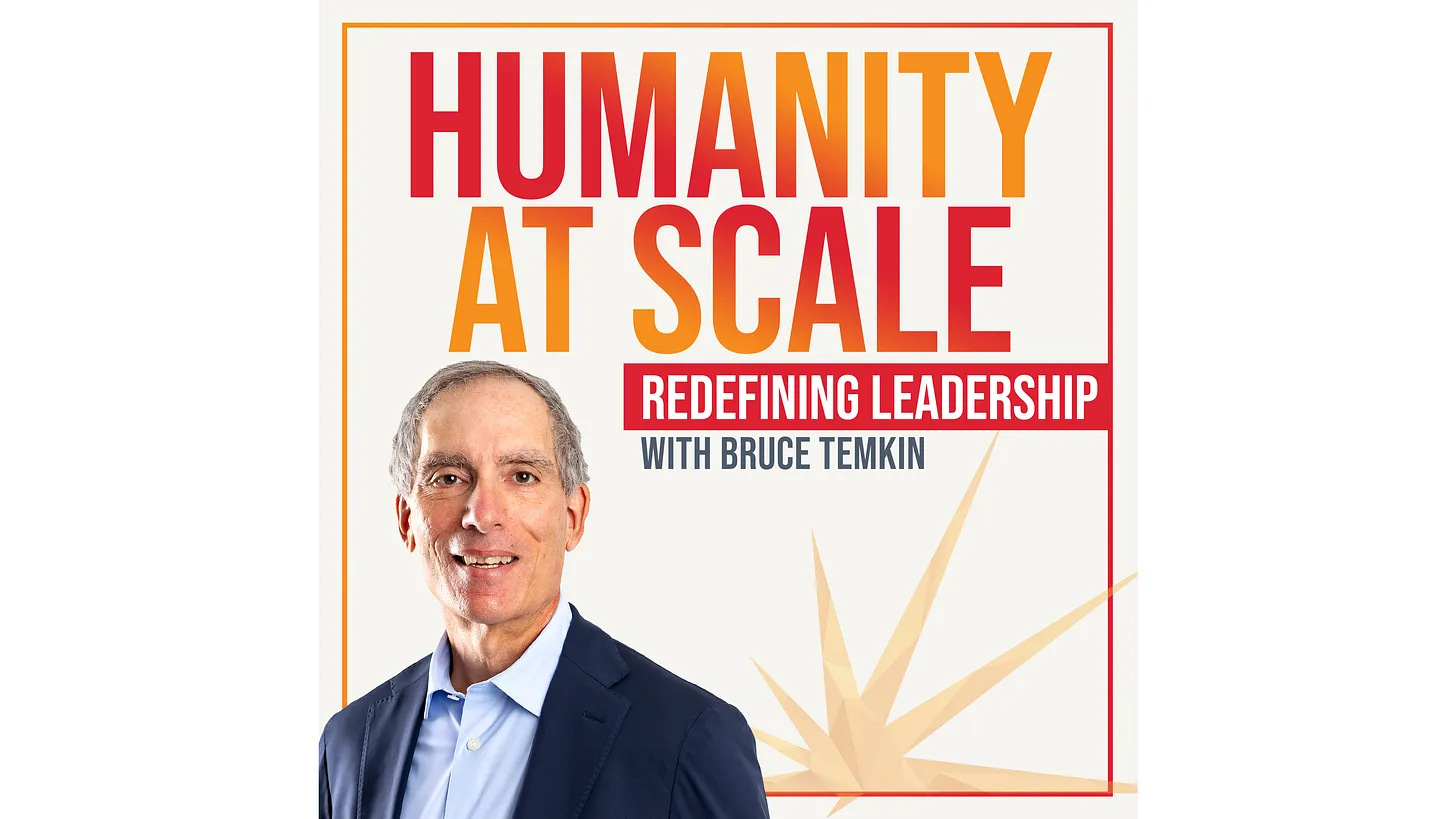
Make sure to check out my podcast, where I reimagine leadership for today’s dynamic world—proving that true success begins with prioritizing people, including employees, customers, and the communities you serve. From candid conversations with executives to breakthrough insights from experts, Humanity at Scale: Redefining Leadership Podcast is your ultimate guide to leading with purpose and empathy.
Check out the latest episodes:
Leading Habitat for Humanity: Purpose, Service, and Faith with Jonathan Reckford
Confidence Isn’t Competence: Better Decision Systems With Melina Moleskis
Sense-Making Through Uncertainty: Stories, Signals, and Swarms with Dave Snowden
Scaling White-Glove Service: Sweetwater’s $2 Billion Success Story with Mike Clem
The Myth of Deep Beliefs: Leading in a World of Improvisation with Nick Chater
Available on Apple Podcasts, Spotify, and YouTube.
Bruce Temkin is a founding architect of the global movement around Customer Experience, Employee Experience, and Experience Management. Often called the “Godfather of Customer Experience,” he has long challenged leaders to see purpose, empathy, and trust not as soft ideals, but as essential drivers of long-term success.
Today, he leads the Humanity at Scale movement, helping organizations succeed by keeping how people think, feel, and act at the center of every decision, even as AI, complexity, and constant change push in the opposite direction.
If you're a leader wrestling with how to stay human as everything speeds up, Bruce is available for keynote presentations that challenge conventional thinking and energize organizations to drive meaningful change.